
Home > Courses > S24 3397 | Sustainable Design (Full Course) > Adron
Hitoto Food Container
Course:
Instructor:
Student Name:
INDS 3397 | Sustainable Design (Full Course)
Min Kang & Jeff Feng
Adron
Taking food to go from resultants is an easy and important way to reduce waste while saving money by getting the full value you paid for. An unfortunate side effect is that 90% of to-go containers are made of plastic or styro-foam, and 66% of ocean waste is from takeout food and beverages.
Research
Our research examined user habits around kitchen storage and takeout waste. Surveys revealed that while plastic containers are widely used, cleaning and organization are major deterrents to reuse. We also found that takeout packaging—mostly plastic or styrofoam—contributes significantly to ocean waste.
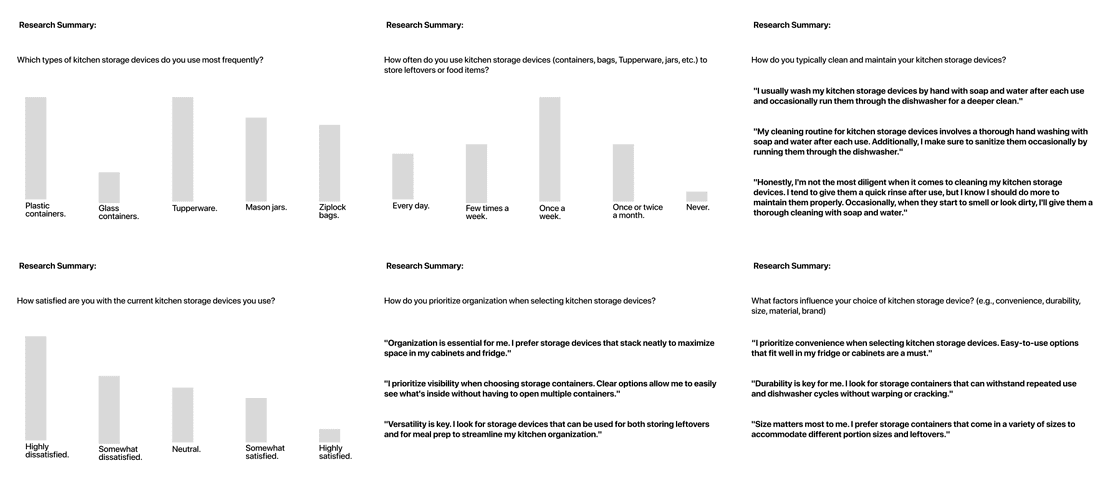
We surveyed users on kitchen storage habits and found that while plastic containers are common, cleaning and organization are major pain points. Convenience, durability, and stackability drive choices, but takeout packaging remains a major source of waste. .
What I Learned
Storing Tupperware is highly inconvenient and requires effort to maintain.Cleaning the containers is a psychological deterrent to using them in the first place.People want to use food storage for other uses.
System Ideation & Design
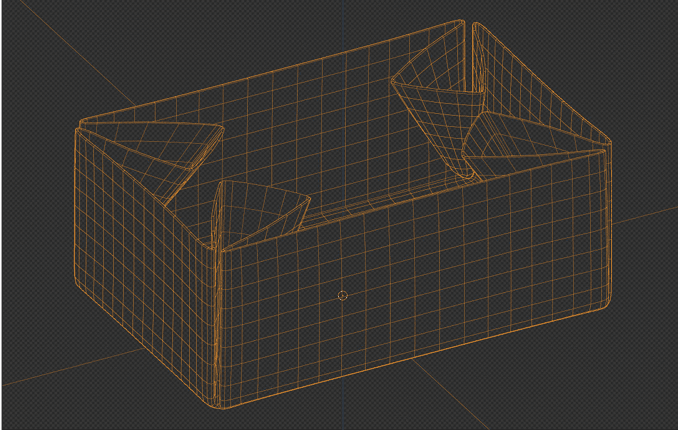
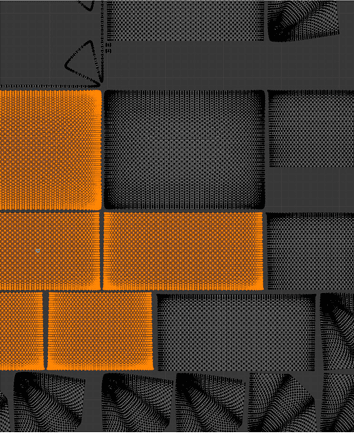
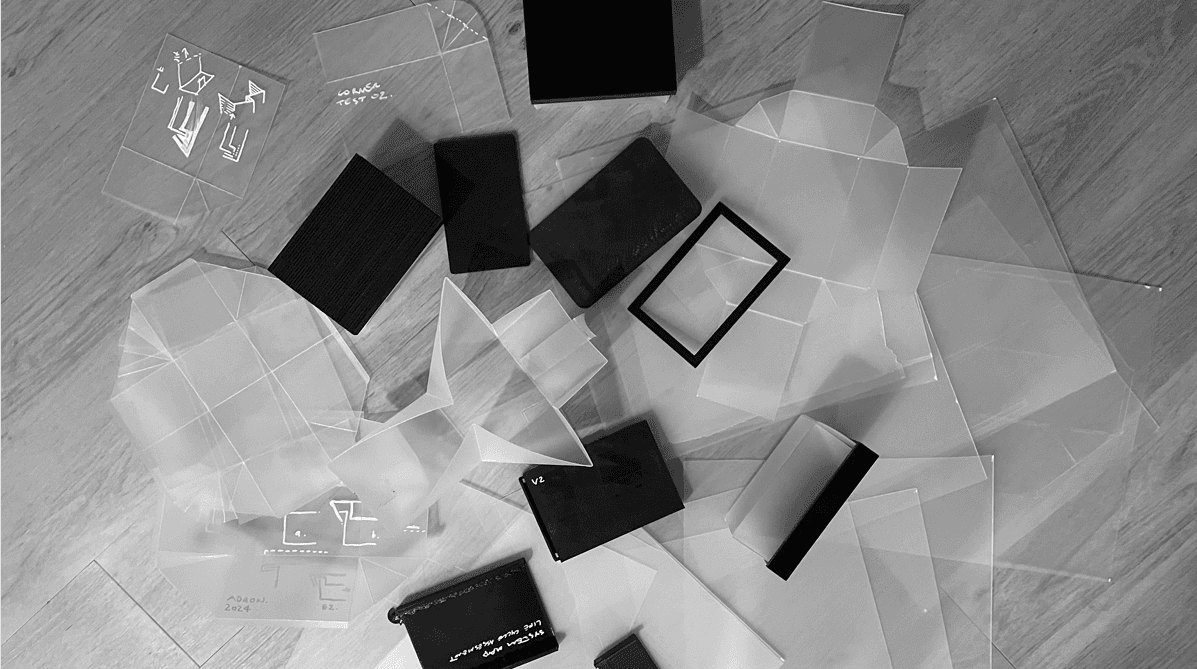
Inspired by user habits and environmental data, we explored modular forms, emotional attachment, and nature-based structures to encourage reuse and long-term value.
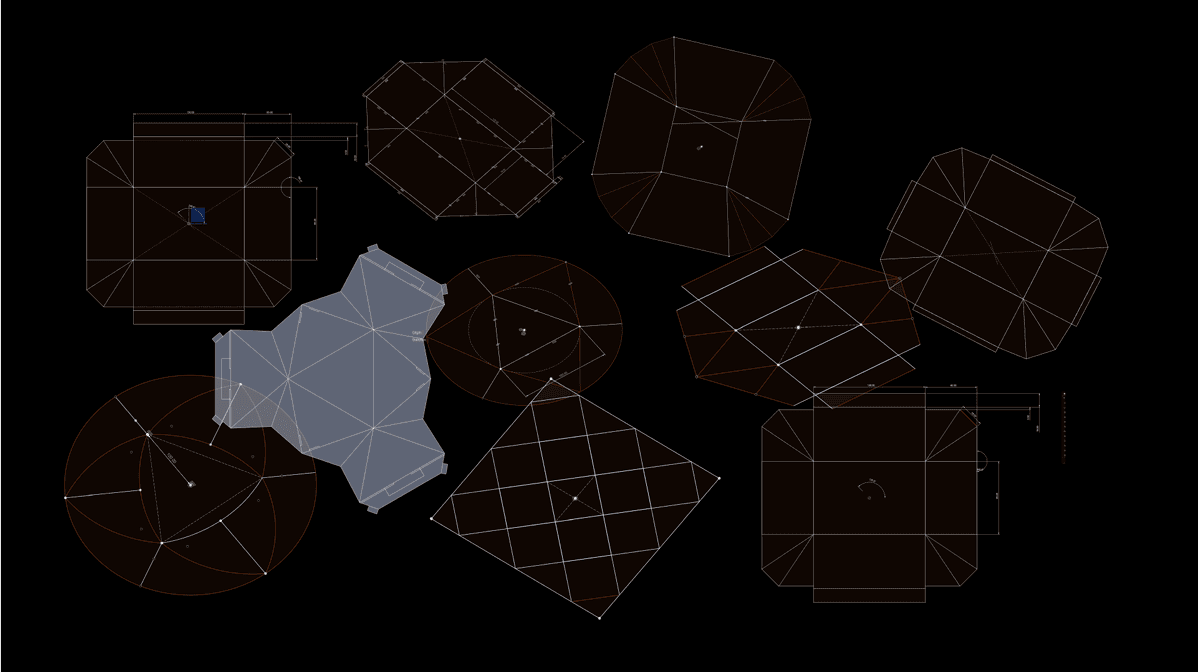

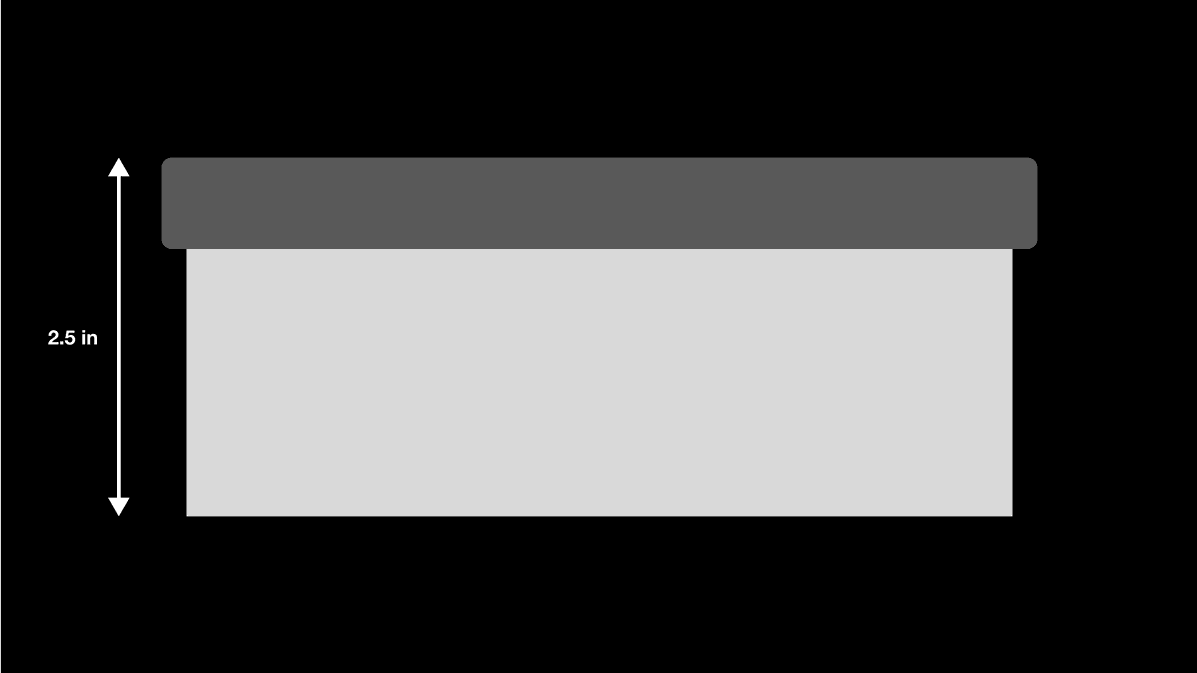
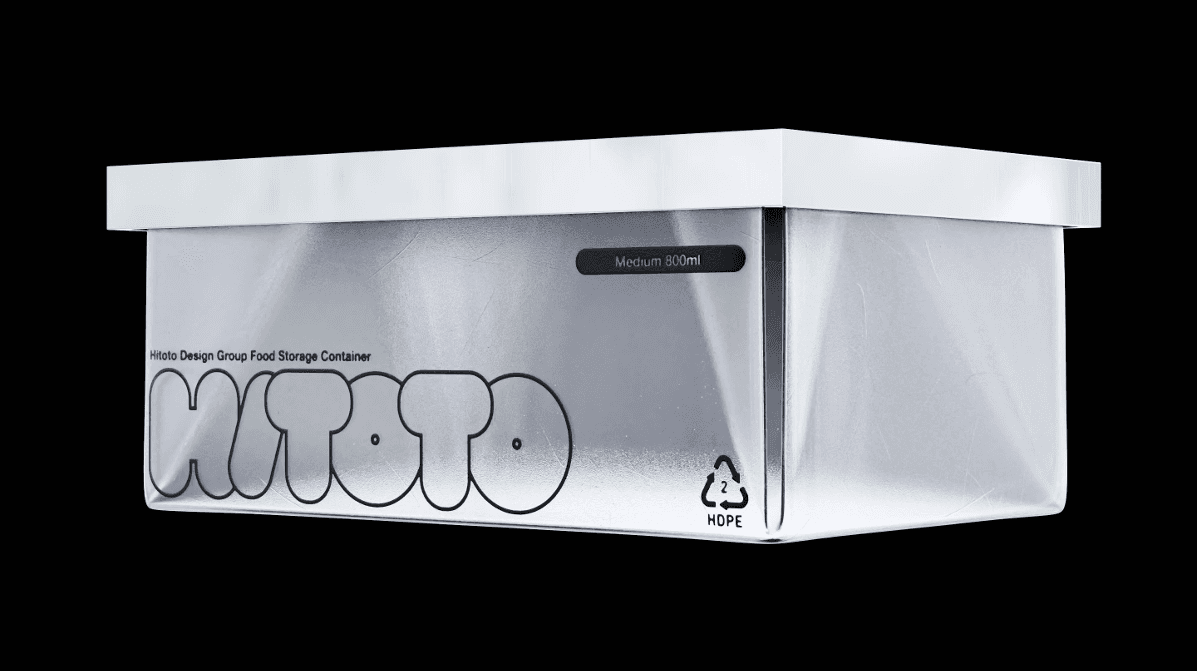
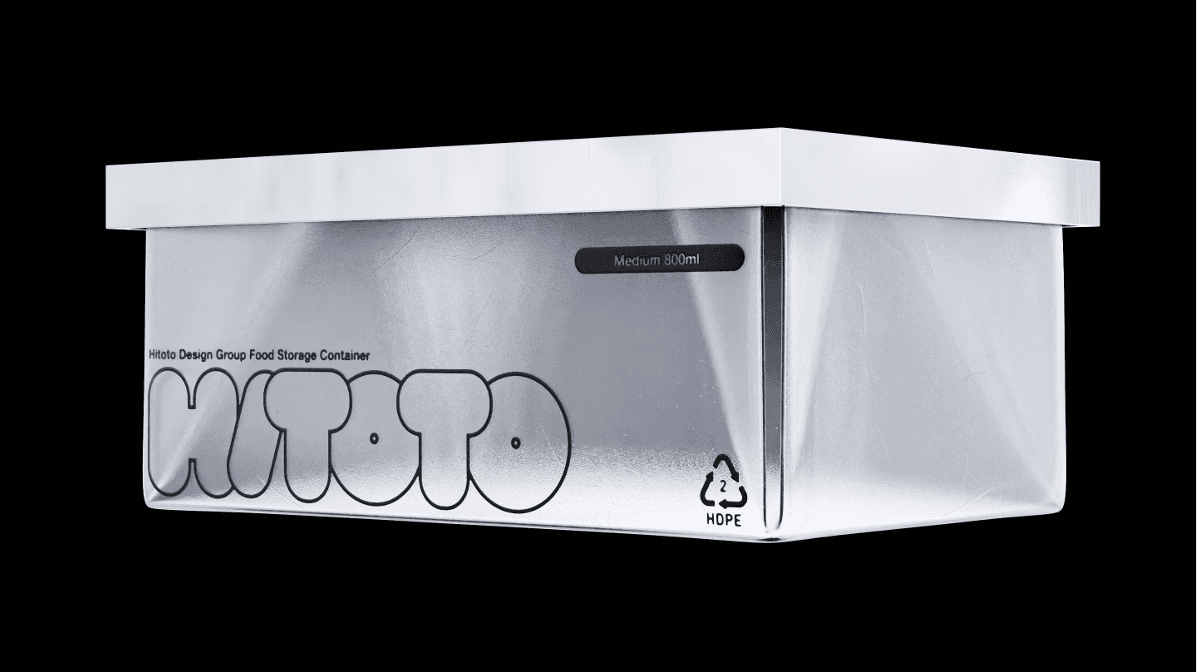
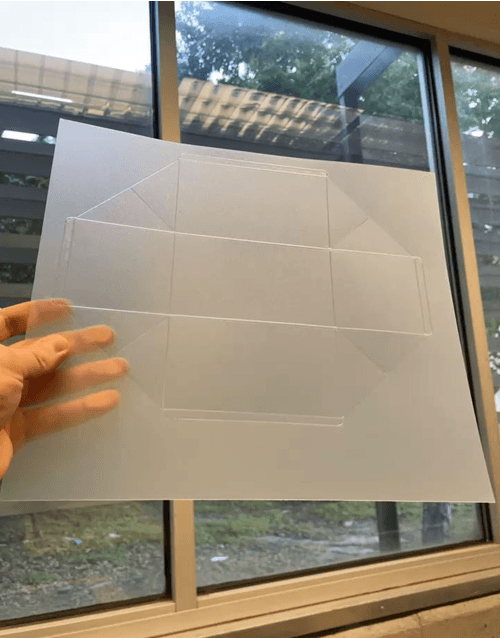
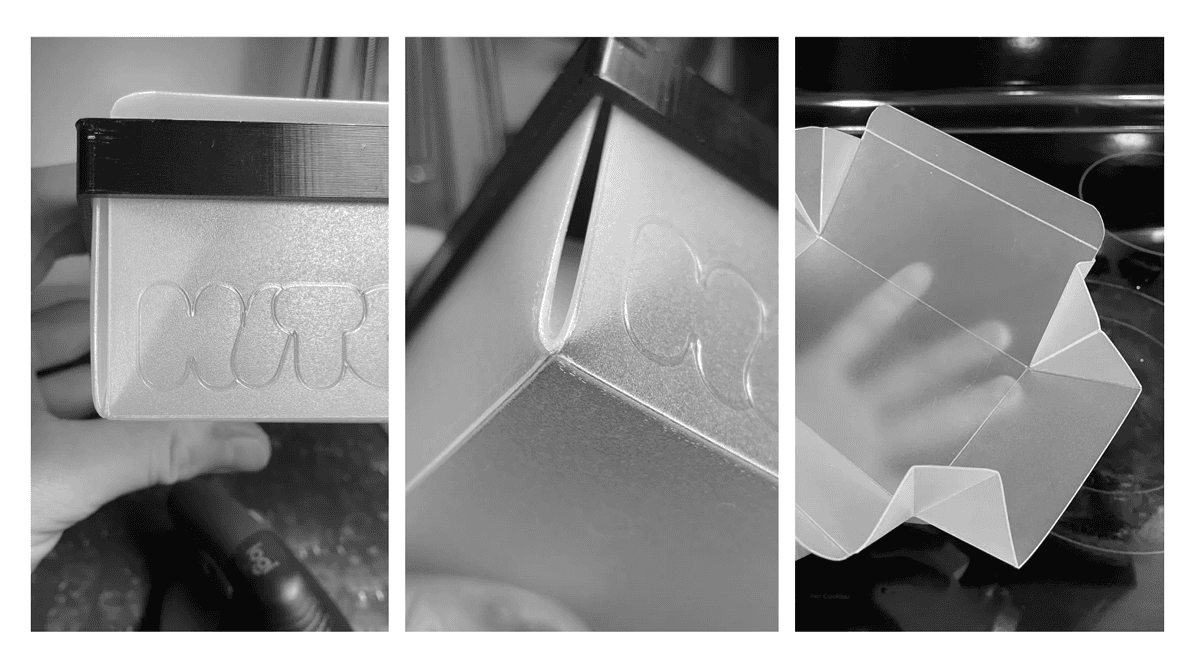
A compact, reusable container made from two recyclable materials—easy to clean, stack, and carry. Designed to replace single-use takeout packaging and reduce waste.
What's Next
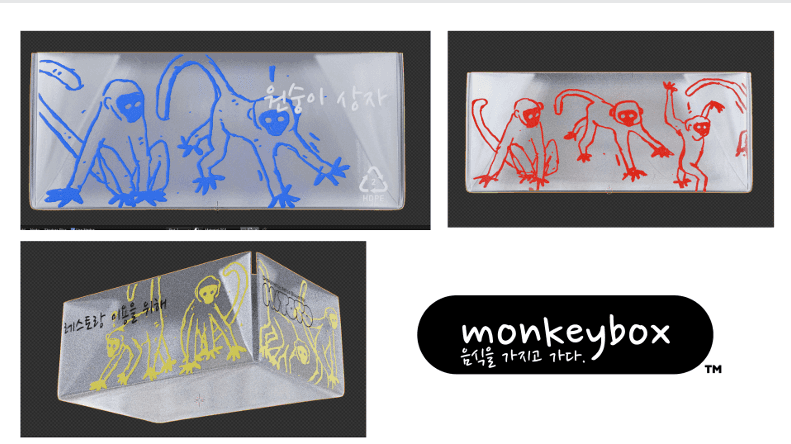
We’re introducing monkeybox—a bold, reusable container concept designed for restaurant takeout. Featuring playful graphics and compact HDPE construction, it’s built for portability, recyclability, and cultural charm.
Building Sustainable Design Education.