
Home > Courses > S23 3298 | Sustainable Design (Pilot) > Michael Palau
rPET Platstic Containers
Course:
Instructor:
Student Name:
S23 3298 | Sustainable Design (Pilot)
Min Kang
Michael Palau
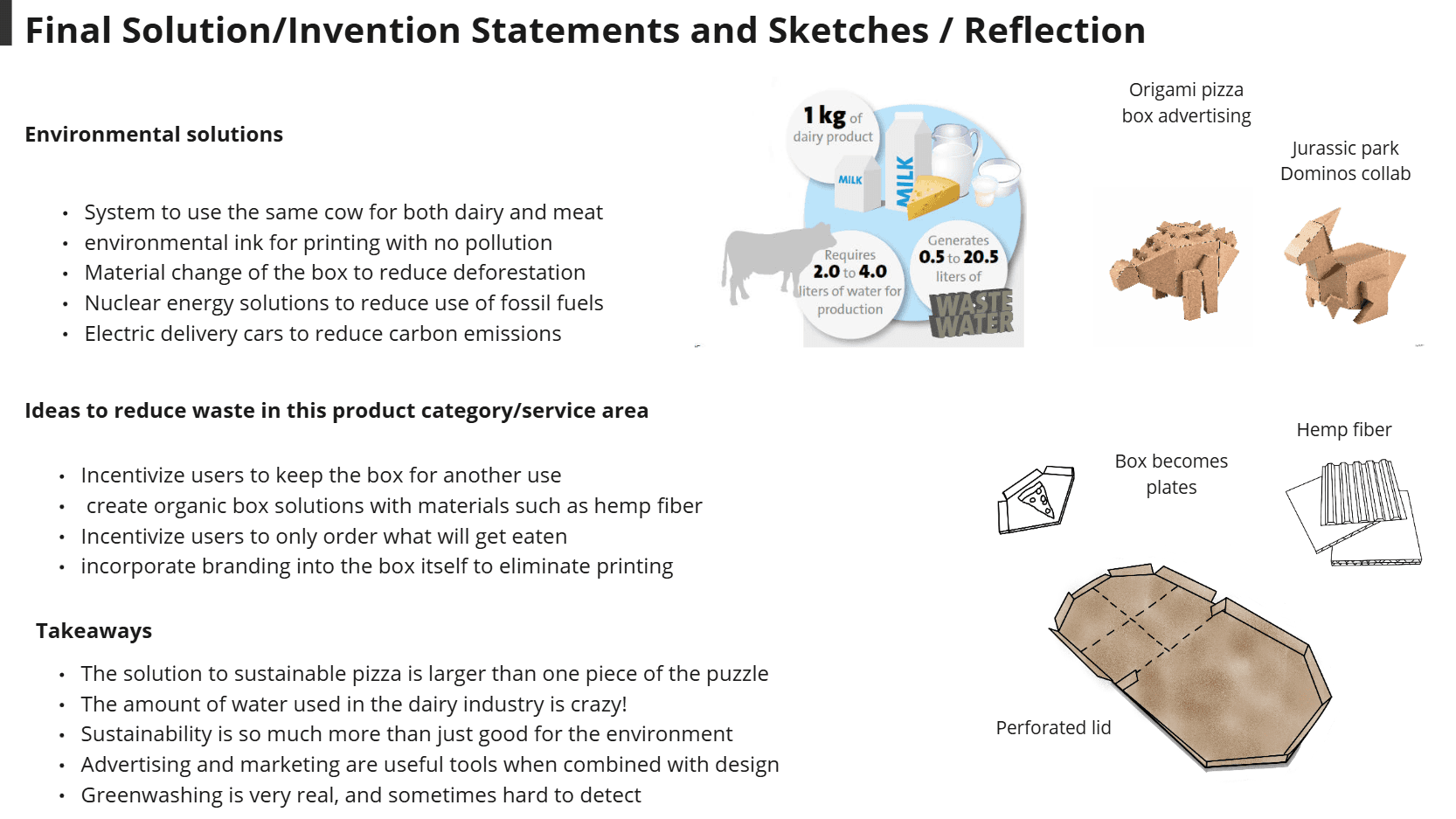
This project investigates the sustainability challenges of processed produce packaging, focusing on pre-packaged mango slices.Using tools such as whole system mapping, life cycle assessment, and persuasive design, the goal was to create solutions that maximize waste reduction and support more sustainable consumption habits.
Mapping the System, Finding the Gaps
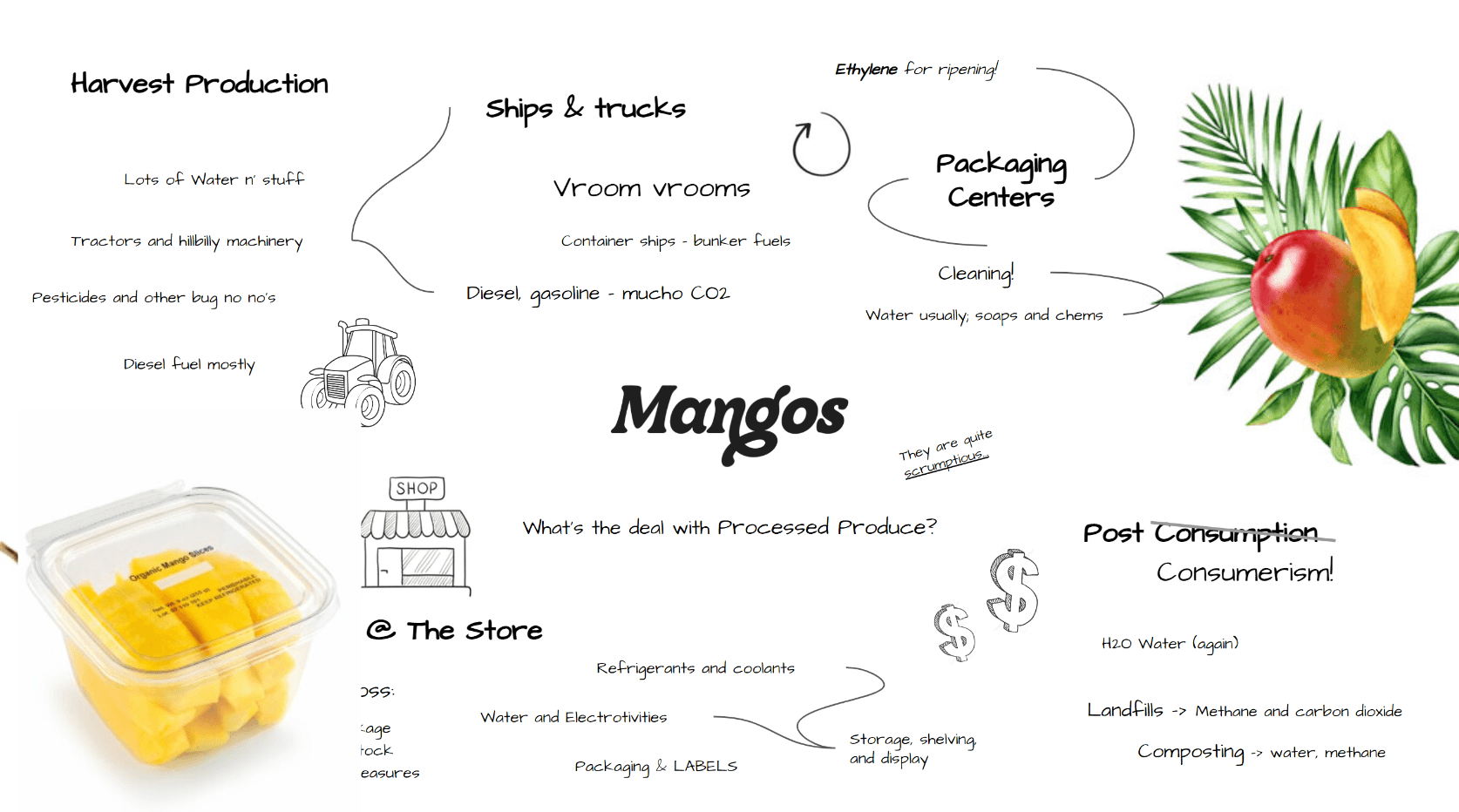
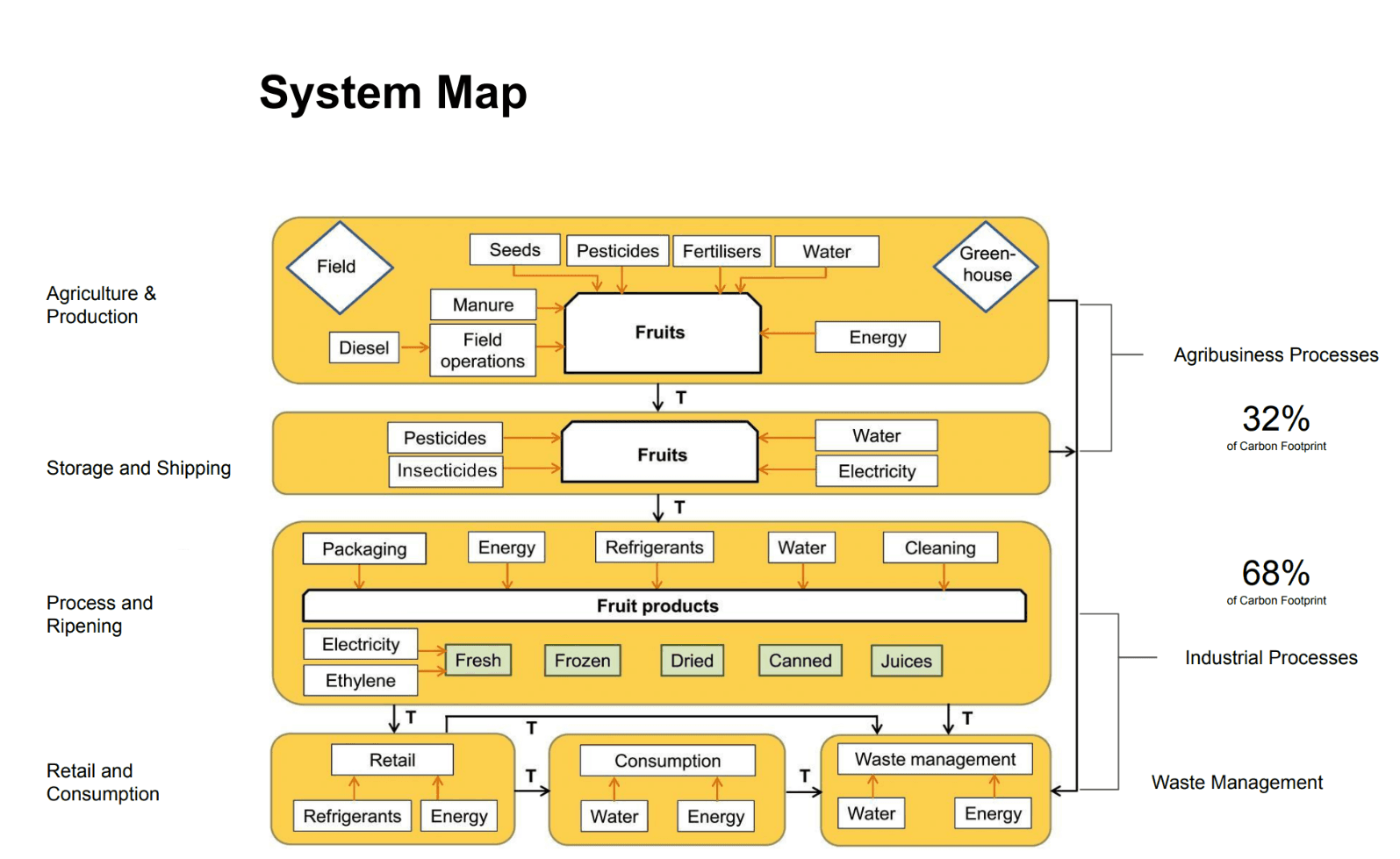
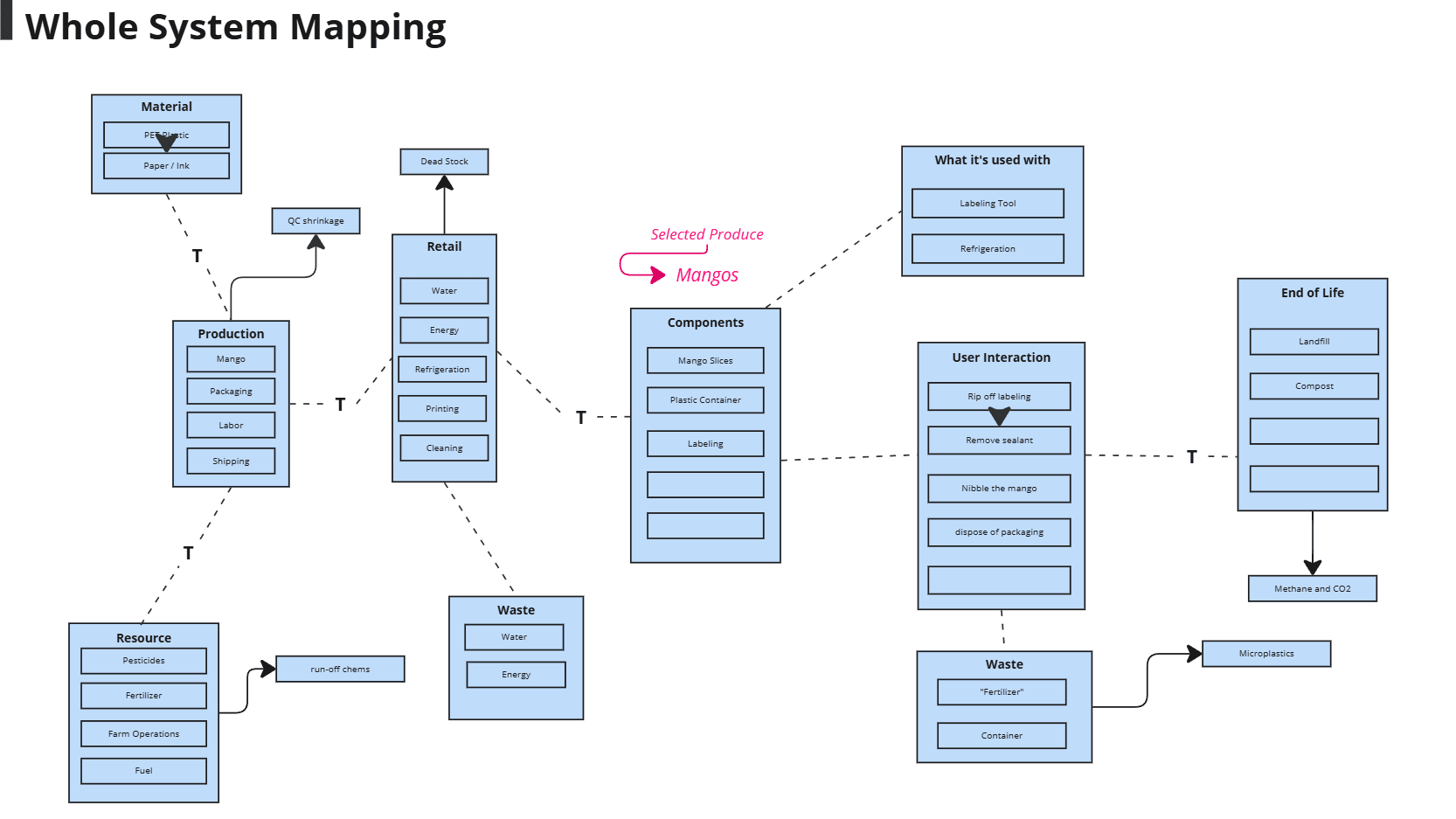
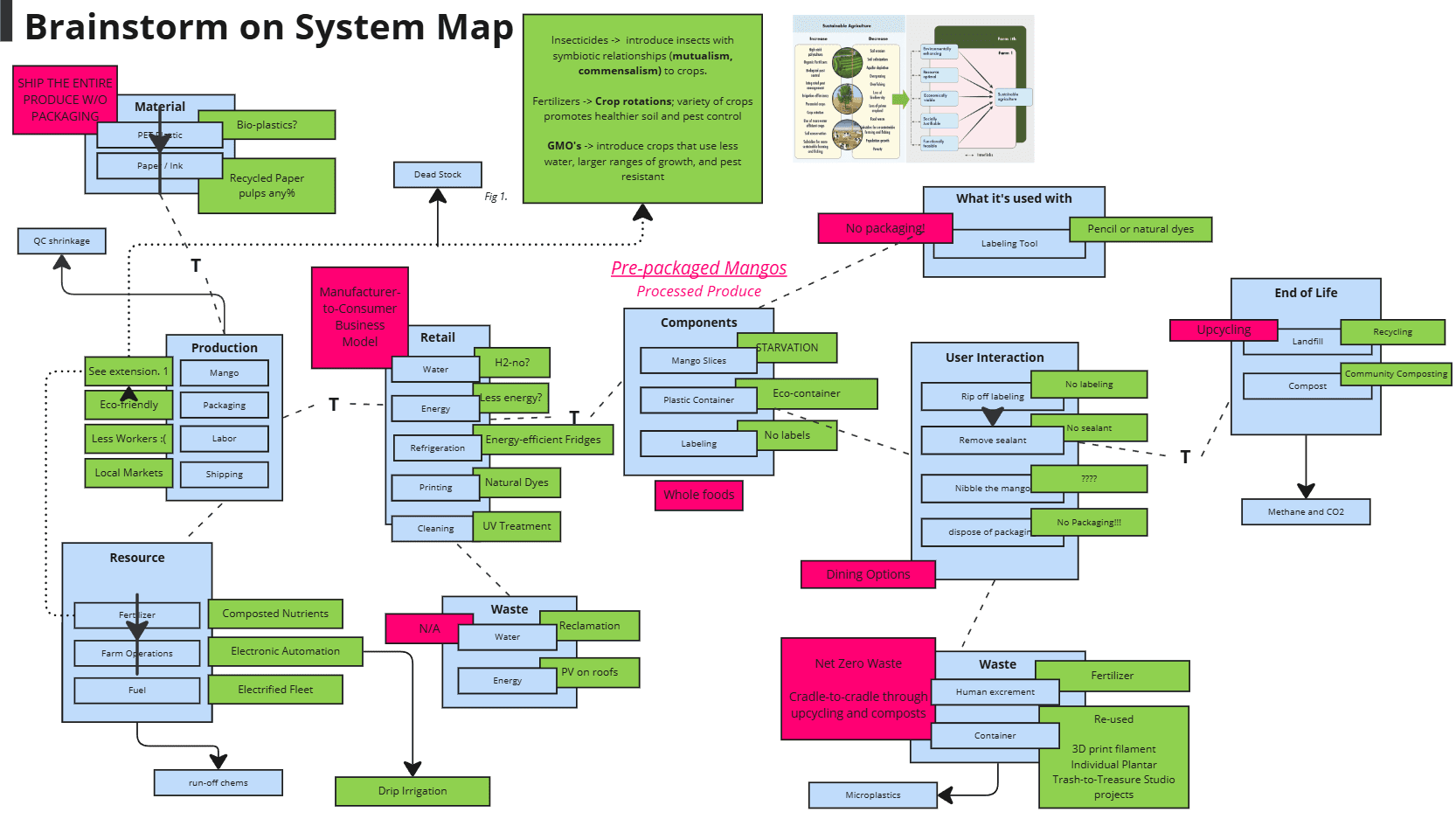
The Whole System Map visualizes every stage in the journey of processed mango slices — from resource extraction to disposal. It highlights how materials, energy, labor, and water are used throughout the system and where inefficiencies emerge.
Life Cycle Assessment (LCA)
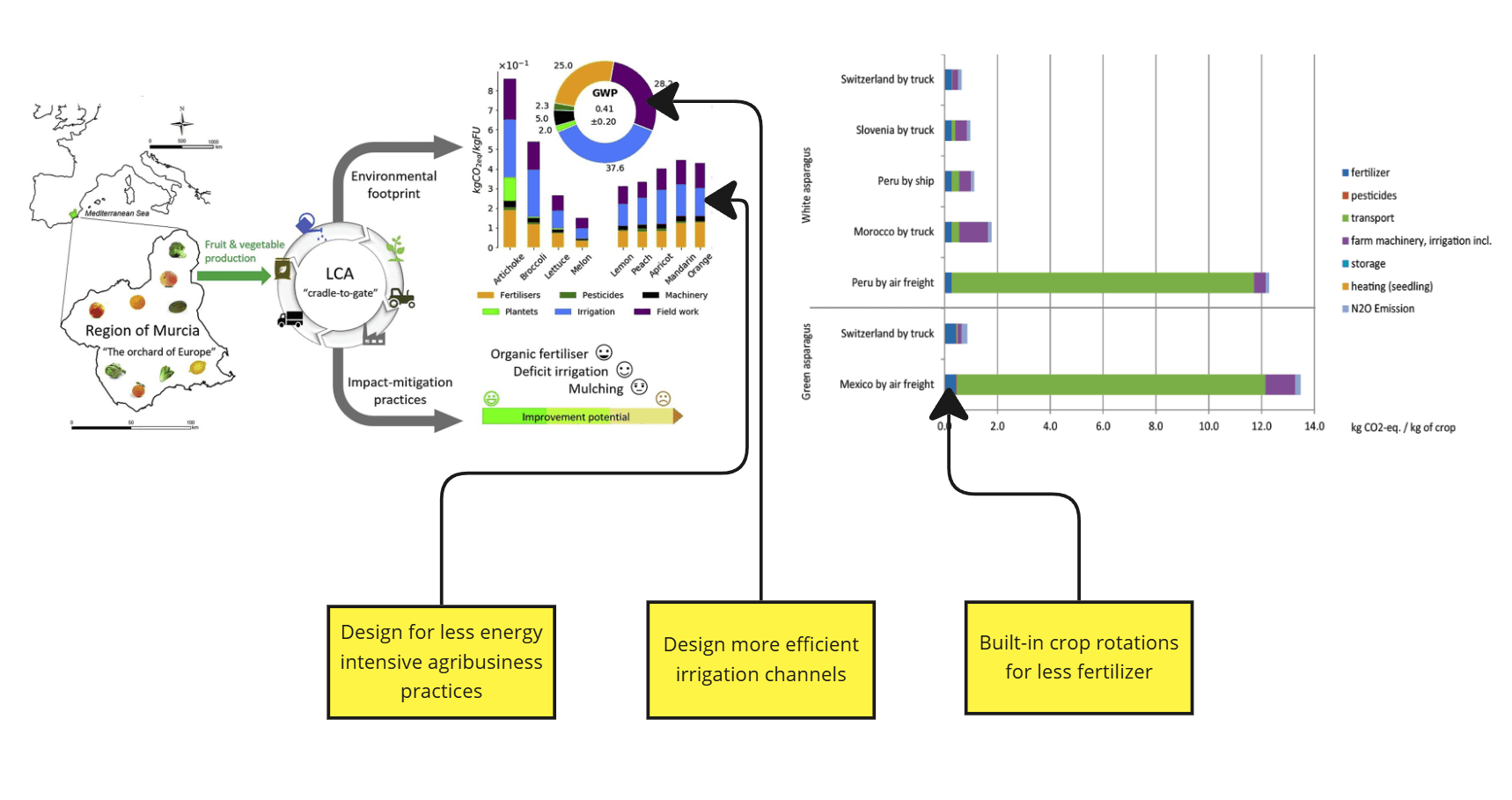
A Life Cycle Assessment (LCA) was used to measure the environmental impact of the existing packaging system. The assessment considered factors like water use, energy consumption, chemical runoff, and emissions from PET plastic production.
Findings showed that PET plastic packaging contributes significantly to toxic emissions — including nickel, ethylbenzene, ethylene oxide, and benzene — generating over 100 times more emissions than glass production for similar container sizes.
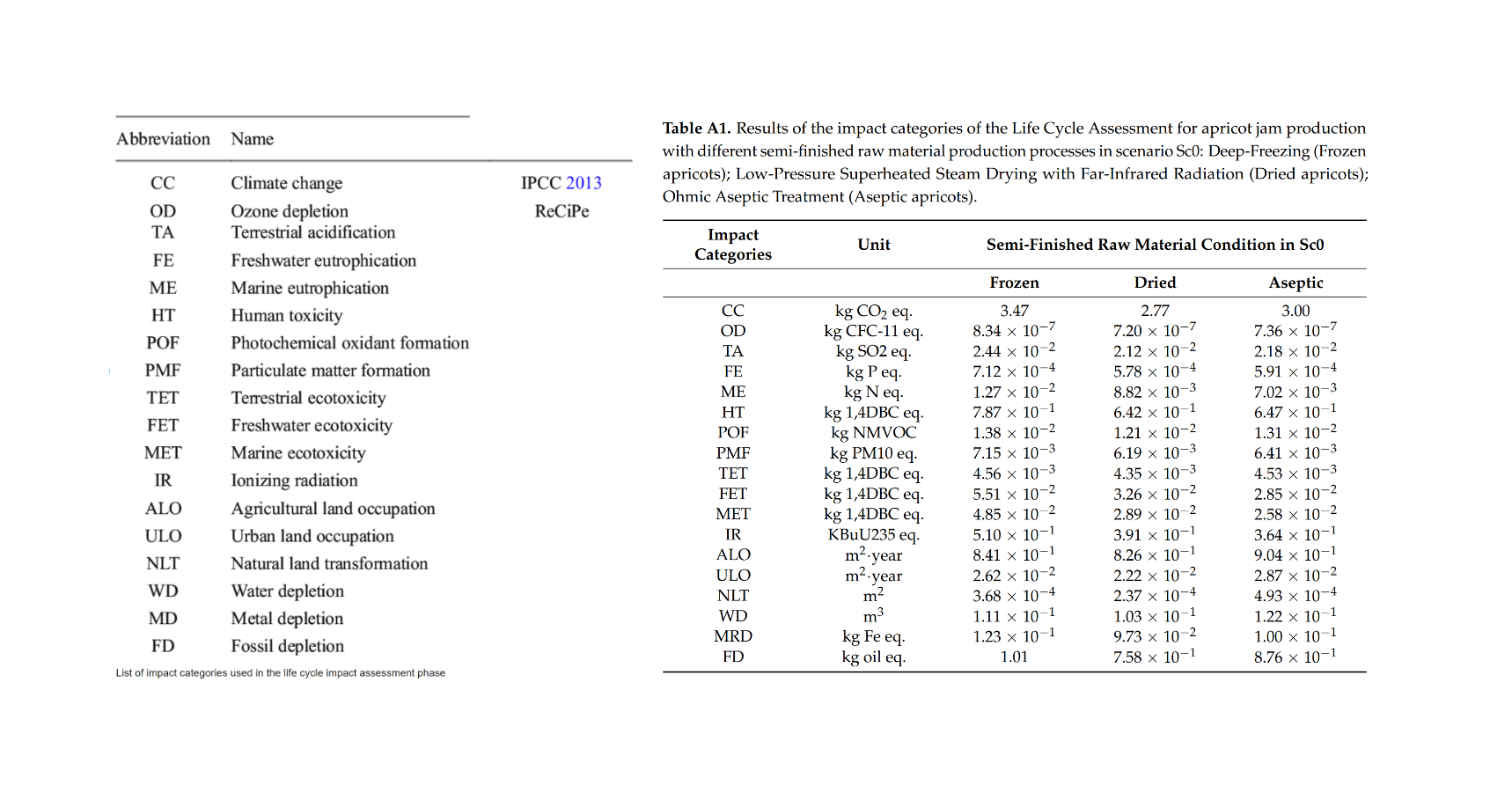
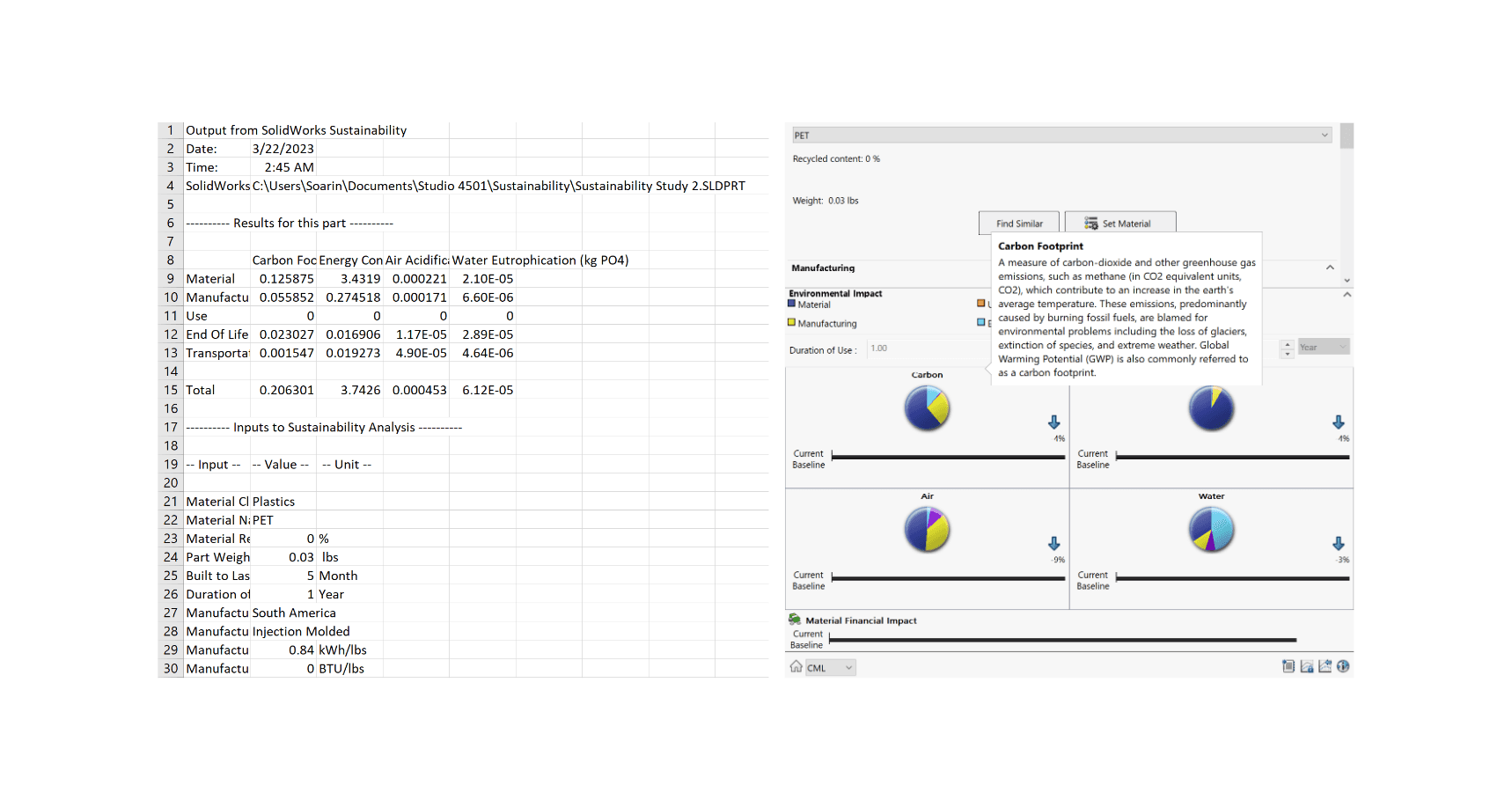
The analysis guided material choices toward bio-based and compostable alternatives, aiming to reduce toxicity, microplastics, and carbon footprint.
Persuasive Design
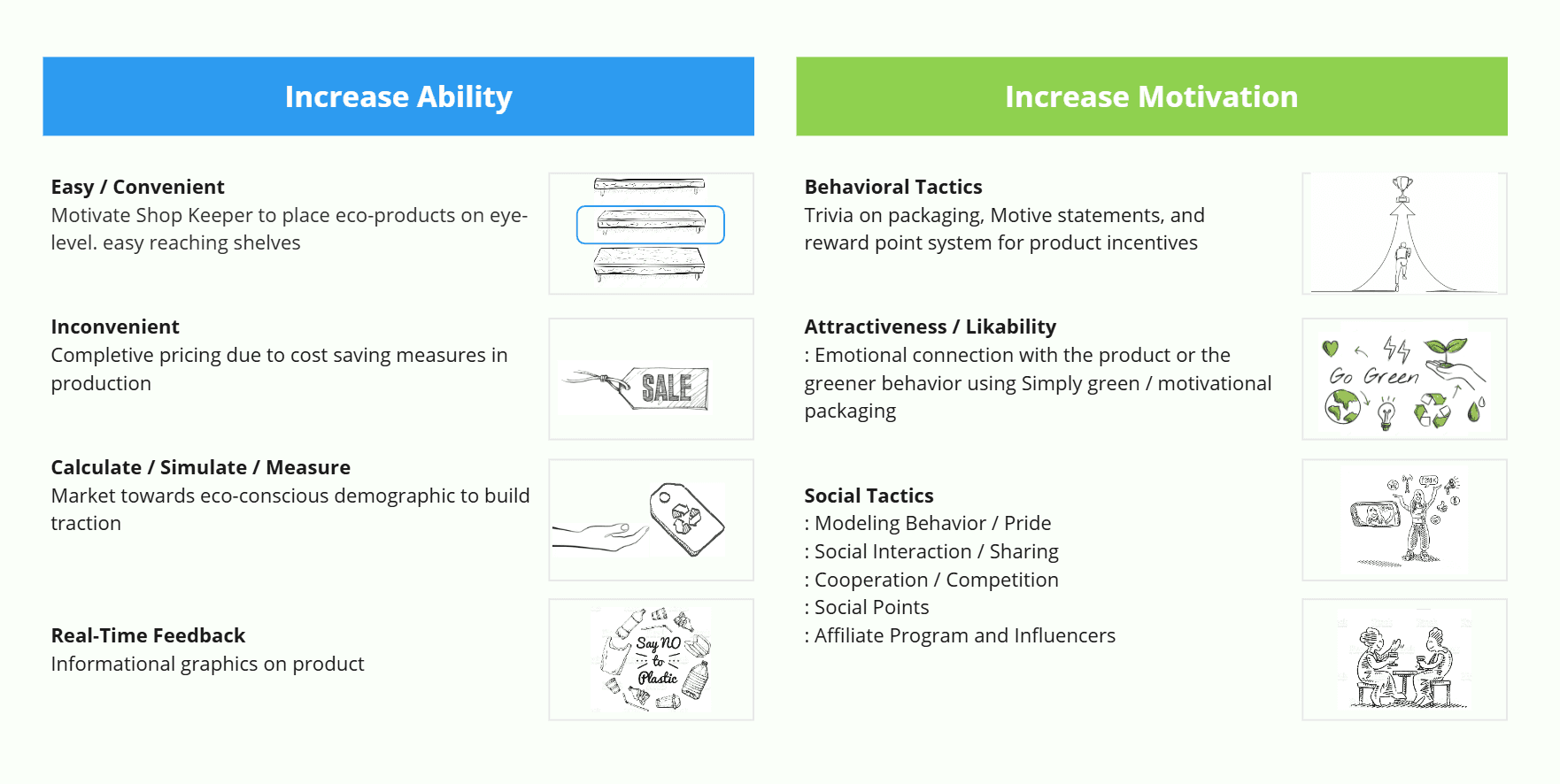
The behavioral design component focused on motivating both consumers and retailers to make sustainable choices.
Greener Materials, Smarter Design
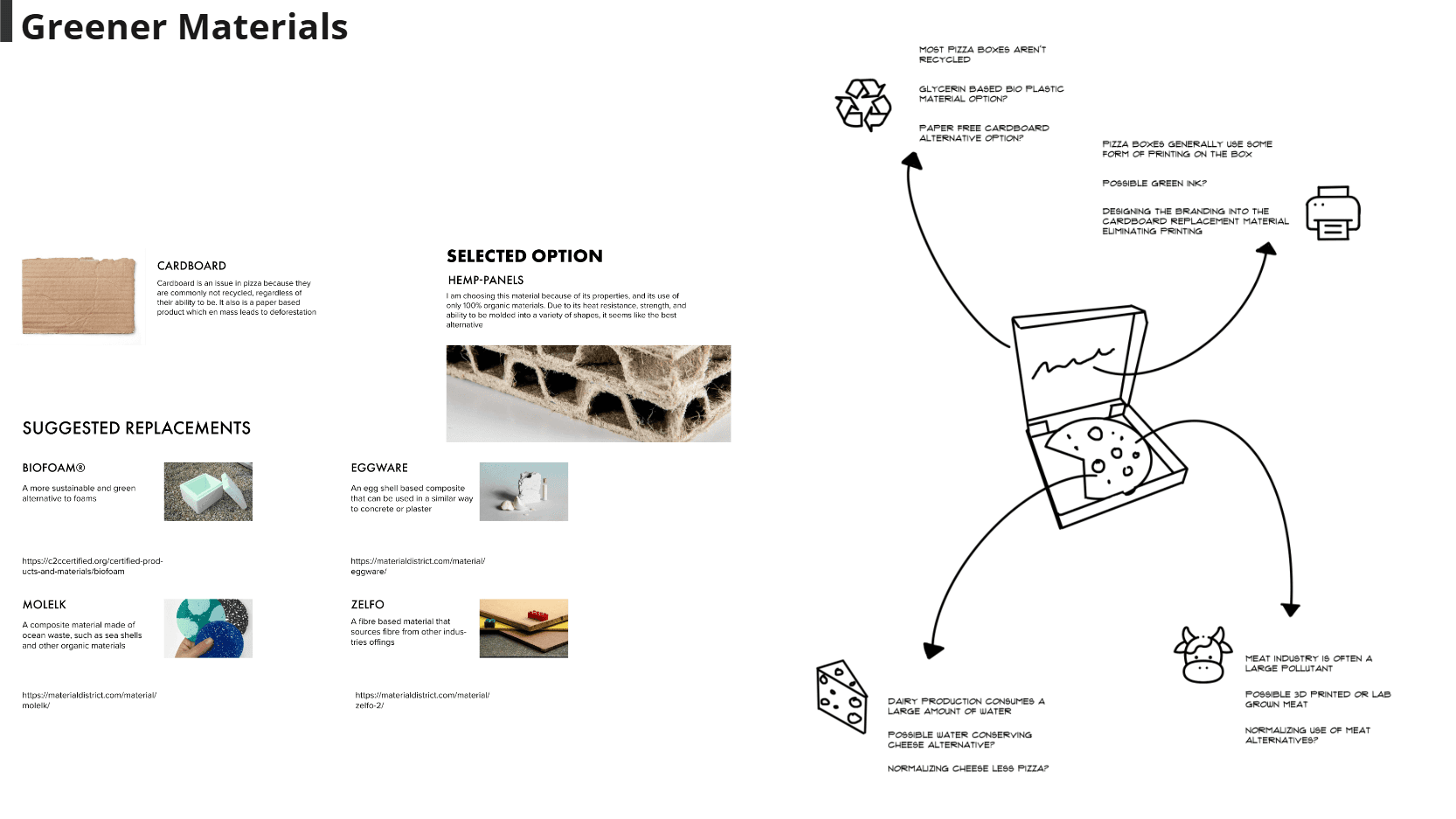
To address the material impact, the project explored bioplastic alternatives to conventional PET containers.
Final Solution
Building Sustainable Design Education.