
Home > Courses > F23 3397 Advanced UX Design > Yasmine Almadi
Bean To Green
Course:
Instructor:
Student Name:
INDS 3397 | Advanced UX Design
Min Kang & Jeff Feng
Yasmine Almadi
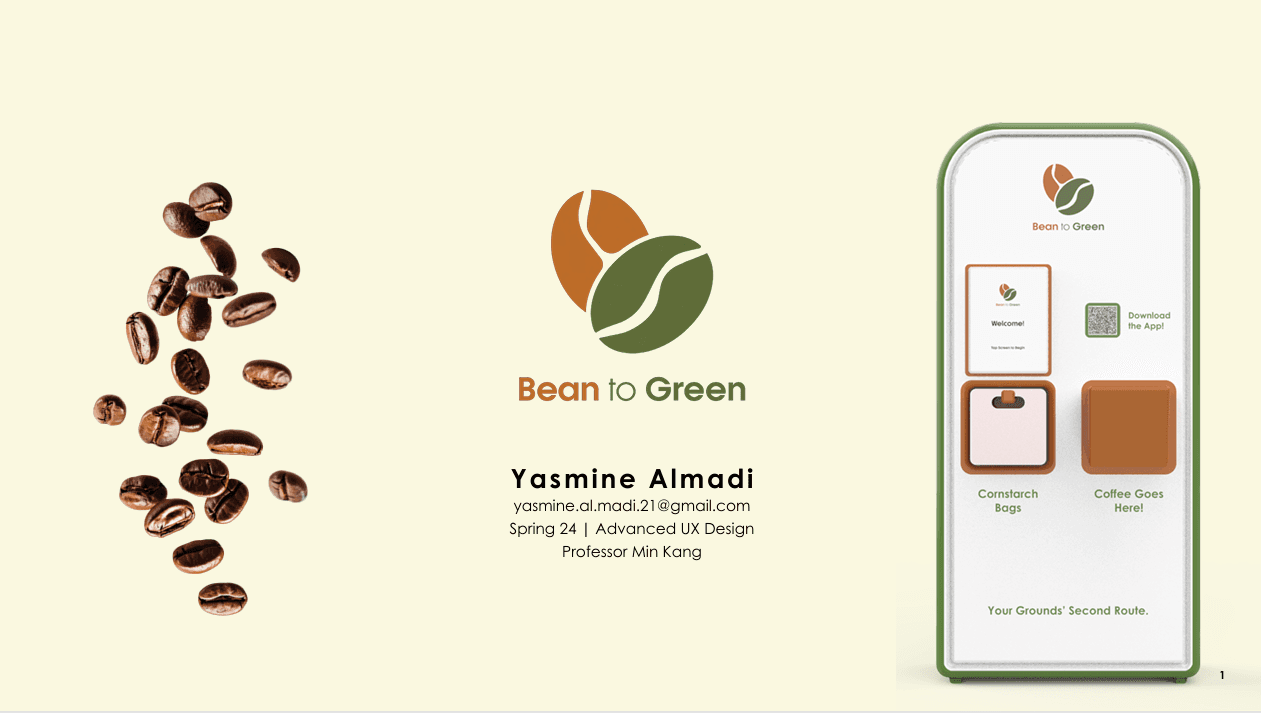
Bean to Green is a community-driven biofuel initiative that transforms coffee waste into clean energy. By partnering with local coffee shops, the project diverts spent grounds from landfills and channels them into biofuel production. Through a user-friendly app and kiosk system, customers can donate grounds, track their impact, and earn rewards—all while supporting local sustainability efforts.
What We Offer
Together, these offerings create a circular ecosystem that benefits businesses, consumers, and the planet.
🏪 For Coffee Shops
Support with organic waste management, tax incentives, and increased loyalty.
☕ For Coffee Regulars
A feel-good donation system with rewards for contributing used grounds.
🌱 For Biofuel Companies
A steady supply of bio-energy sourced from community coffee waste.
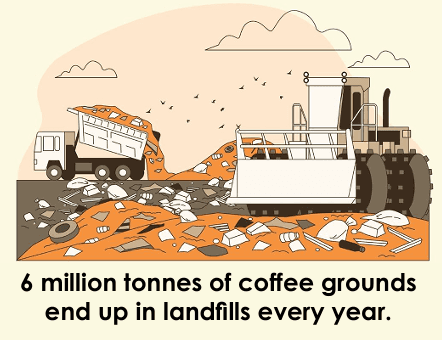
Coffee waste releases methane—28x more harmful than CO₂—and strains public health, especially in vulnerable communities. Bean to Green turns this waste into clean energy, promoting reuse over landfill.
Vision & Contex
Bean to Green is a biofuel initiative that partners with coffee shops to turn organic waste into clean energy redefining how we consume coffee. The project aims to spark a cultural shift by unlocking the energy potential of coffee grounds and promoting sustainable habits for both businesses and consumers.
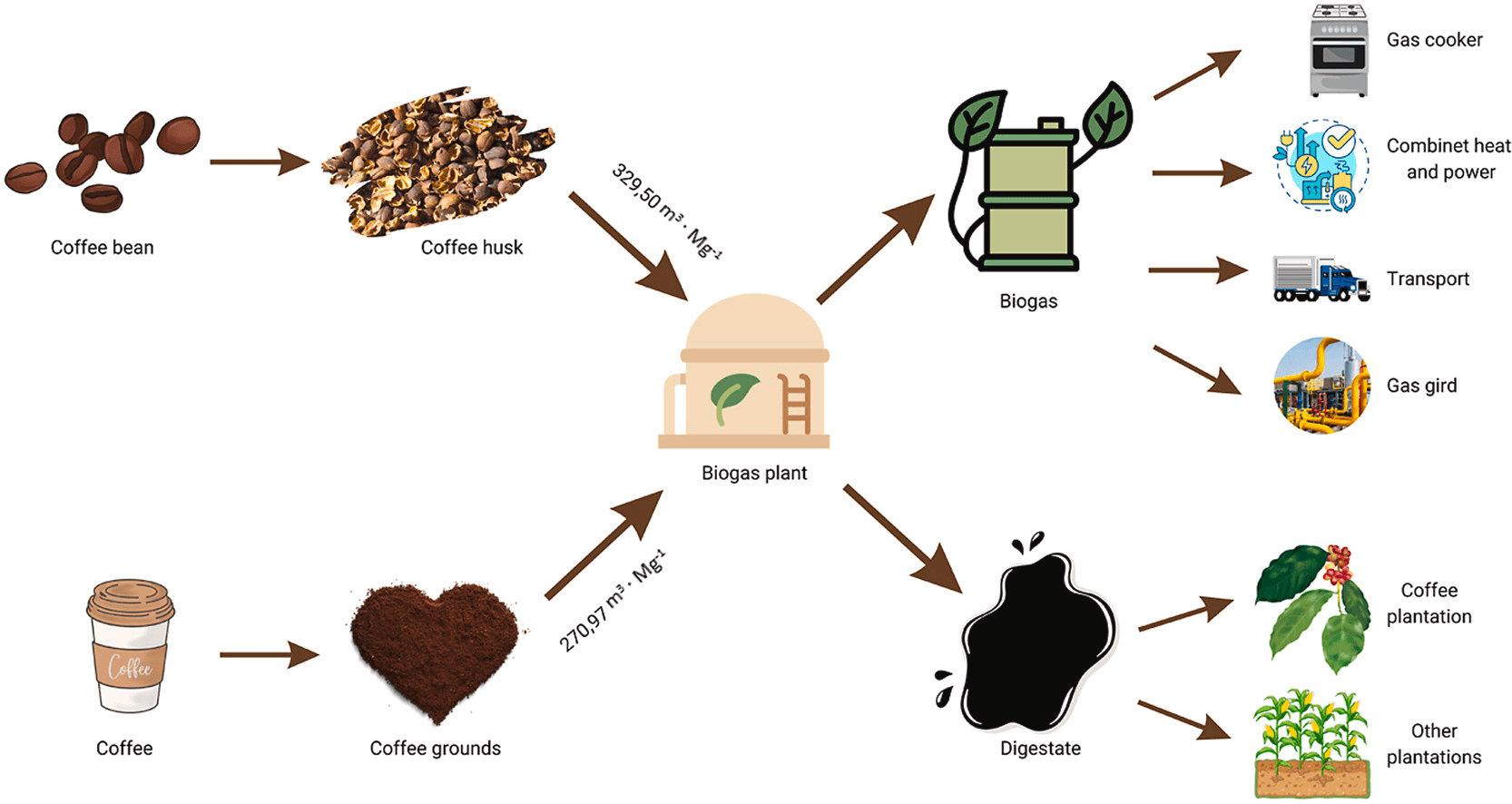
Coffee waste isn’t just trash—it’s a resource. Grounds can fertilize crops, form durable products like Kaffeeform’s reusable cups, and even power cities, as seen in Lithuania’s holiday lights. Vermont Coffee Company shows what’s possible by roasting beans with 100% renewable energy.
Research
Coffee waste is underutilized. Bean to Green reveals a gap in disposal practices and taps into growing biofuel and organic coffee markets with a circular, community-powered solution.
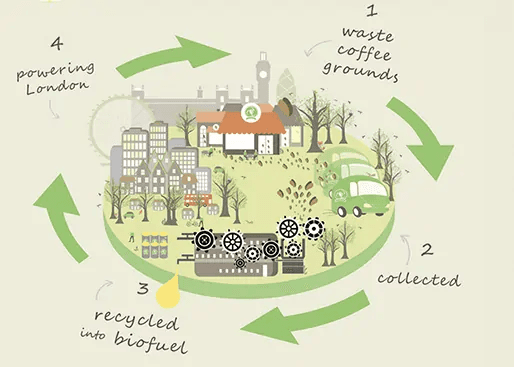
Coffee grounds are a major source of organic waste, releasing methane that’s 28x more harmful than CO₂. Bean to Green tackles this by turning waste into clean energy—drawing inspiration from global efforts like Kaffeeform’s reusable products and Lithuania’s coffee-powered city lights. From fertilizer to fuel, coffee waste has untapped potential, and Bean to Green makes it accessible through community-driven recycling.
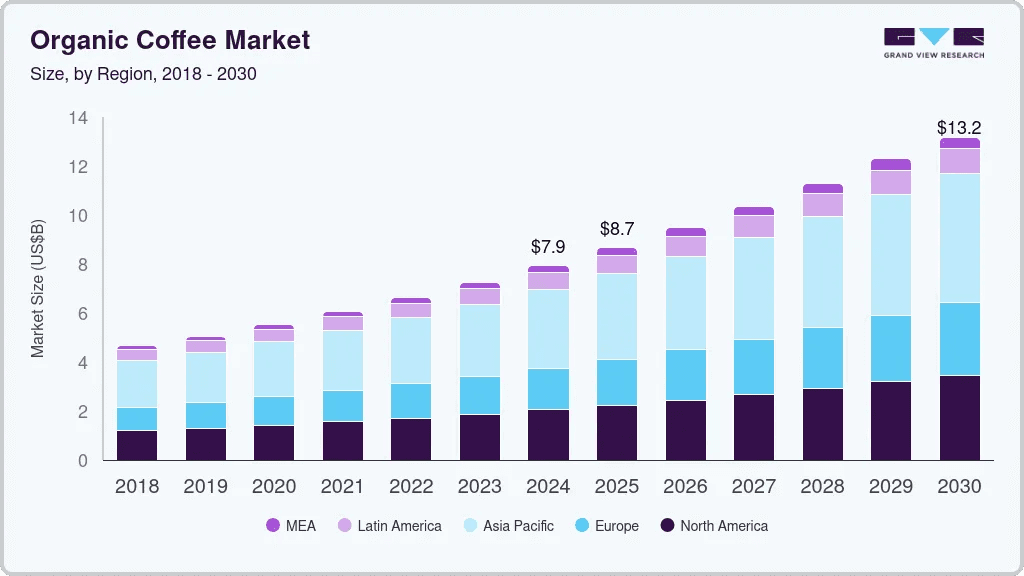
With organic coffee sales projected to reach $9.2 billion and biofuel demand climbing past $167 billion, the market is primed for sustainable innovation. Bean to Green sits at the intersection of these expanding industries—offering coffee shops, consumers, and energy providers a scalable, circular solution that meets rising environmental and economic needs.
Bean to Green stands out in a growing field of sustainability platforms. While OLIO focuses on B2B food-sharing and carbon footprint automation, and HowGood blends B2C and B2B community support to fight food waste, Bean to Green uniquely merges coffee culture with clean energy. Its circular model not only diverts organic waste but also builds local engagement through rewards, partnerships, and biofuel production—bridging individual action with infrastructure impact.
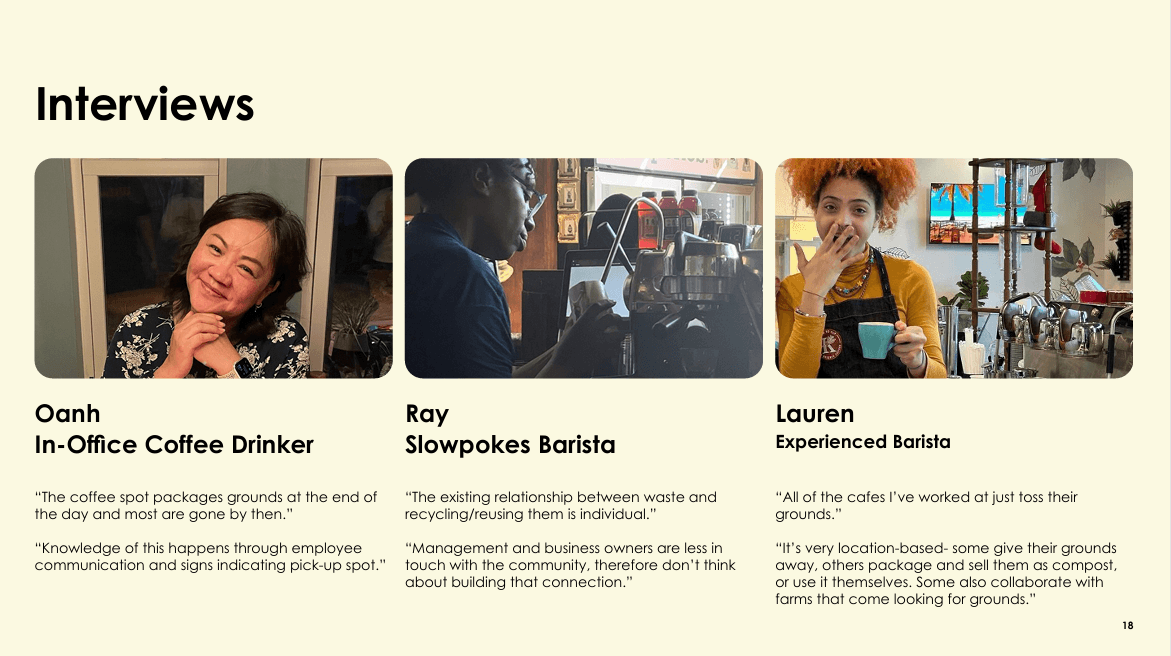
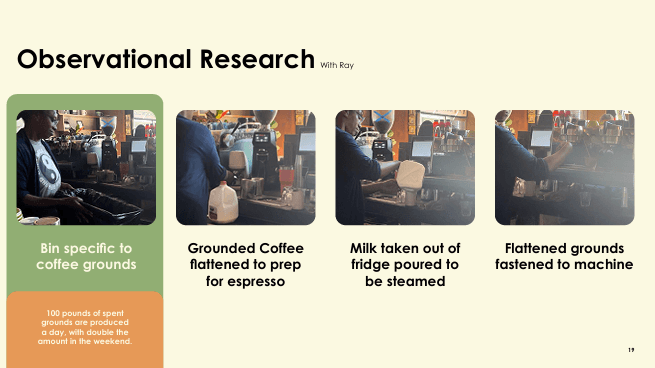
Surveys revealed that most coffee drinkers toss grounds in the trash, despite drinking multiple cups daily. Interviews confirmed that cafes rarely reuse grounds, with practices varying by location. Bean to Green addresses this gap by making coffee waste recovery simple, rewarding, and community-driven.
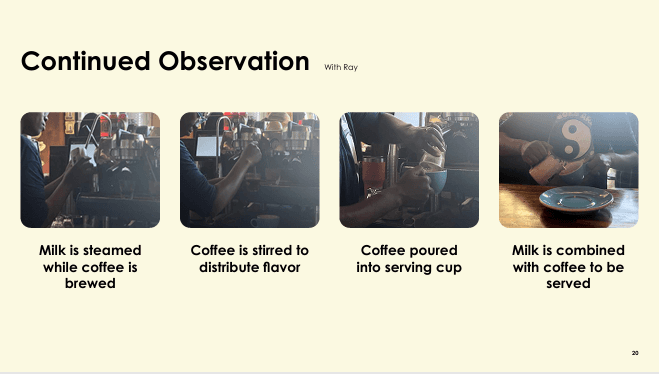
Problem to Possibility
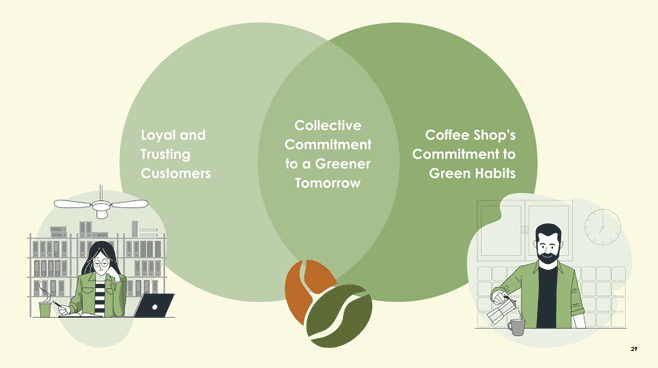
Most coffee shops still discard grounds daily, and sustainable efforts often rely on individuals rather than organized systems. Bean to Green bridges this gap by creating collaborative, reward-driven systems between shops and customers. By turning everyday waste into clean energy and offering perks like free drinks and tax breaks, it transforms a high-footprint habit into a feel-good, circular experience.
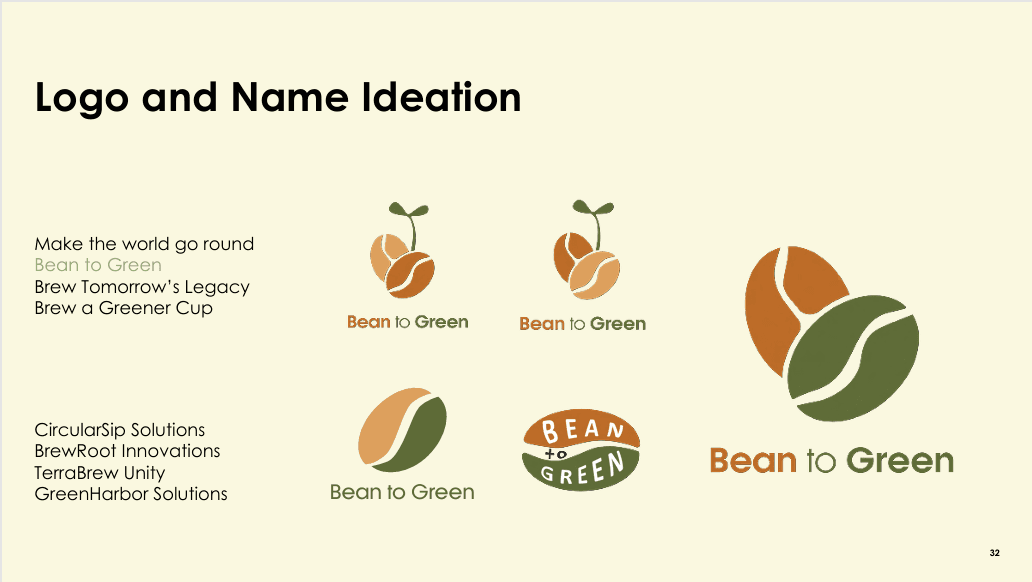
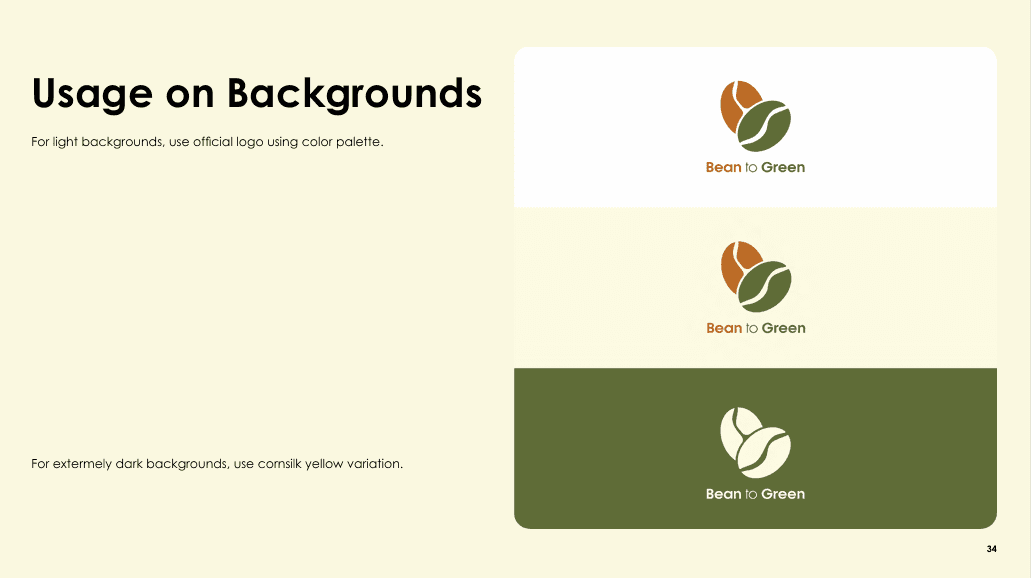
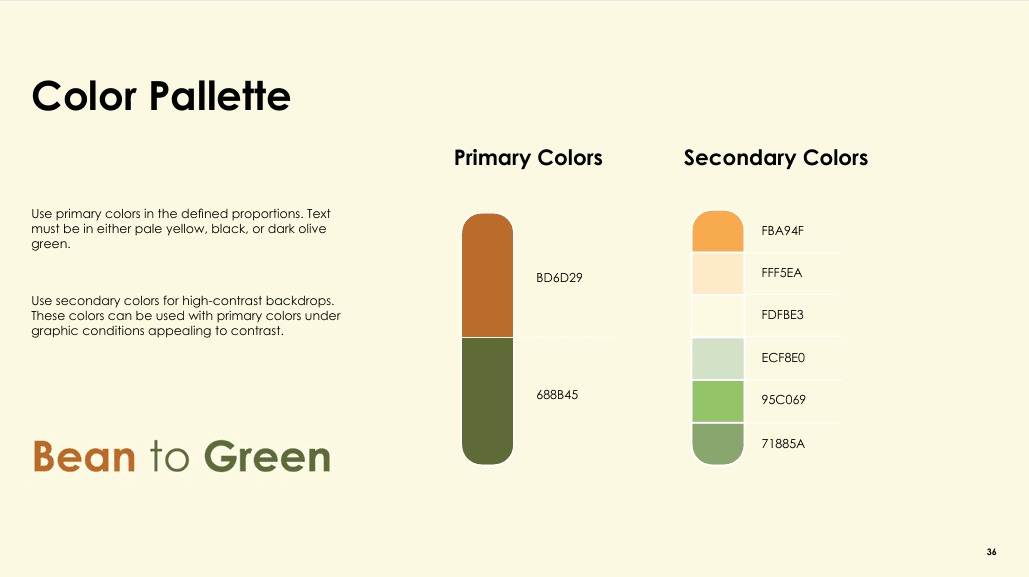
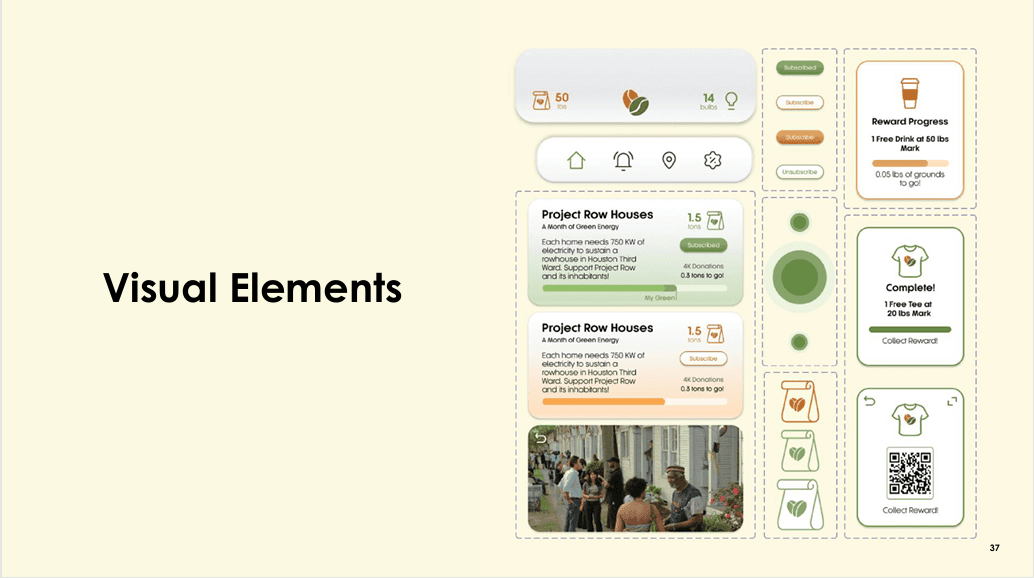
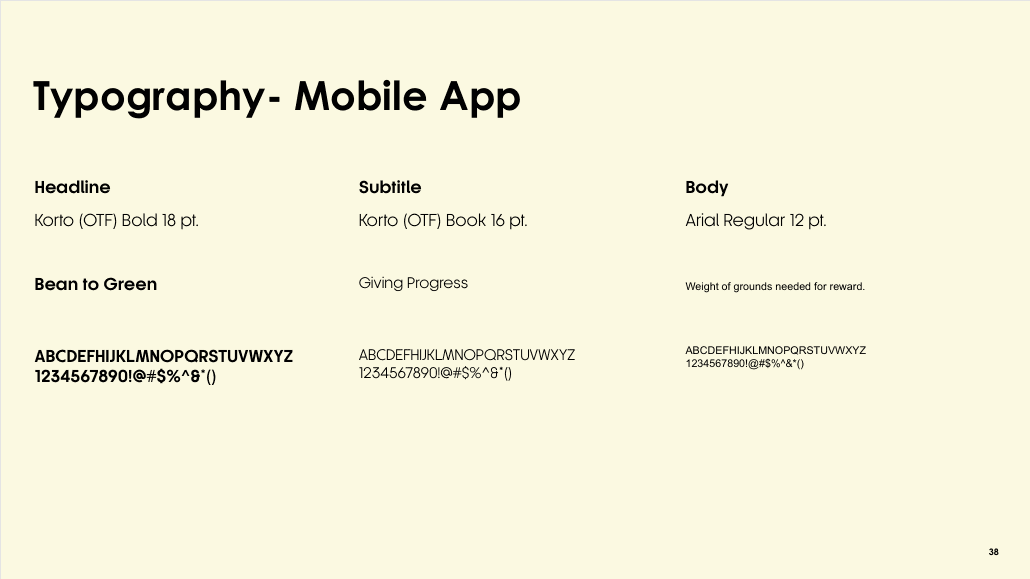
Style Guide

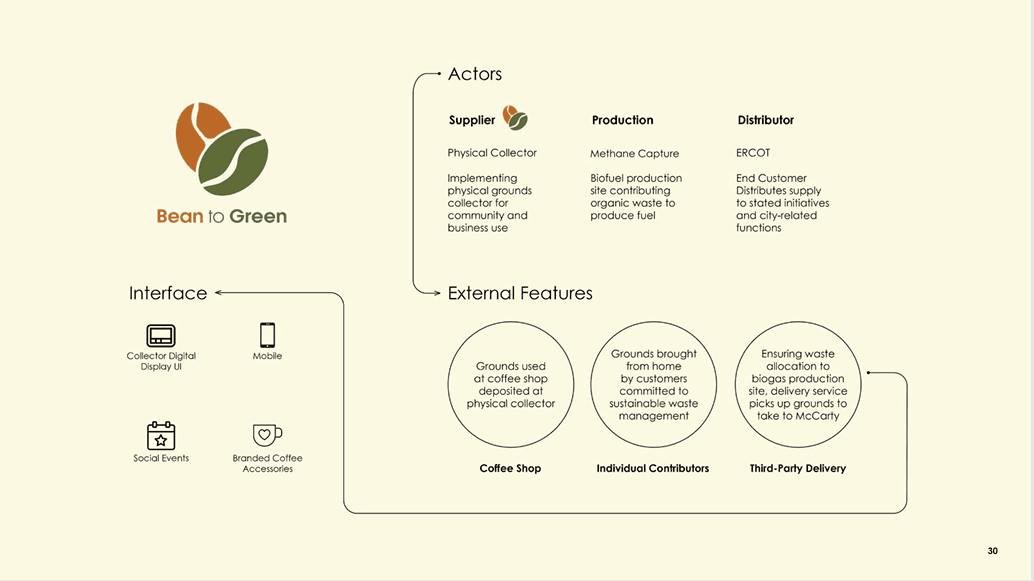
System Design
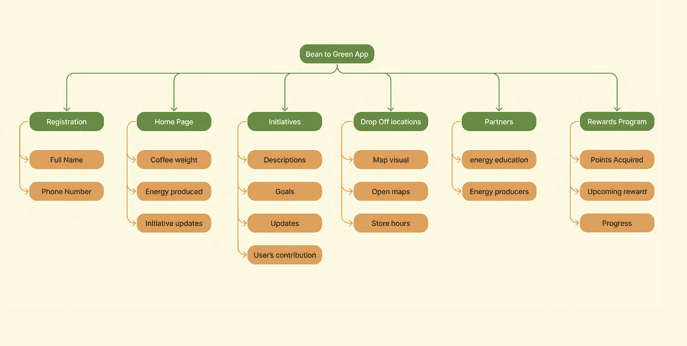
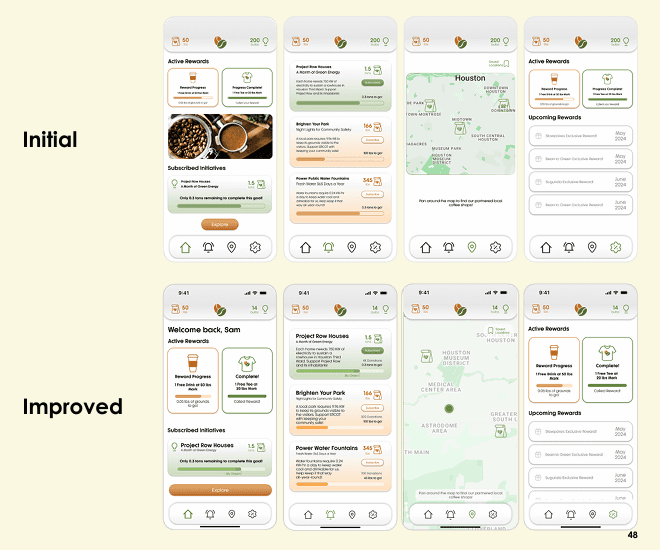
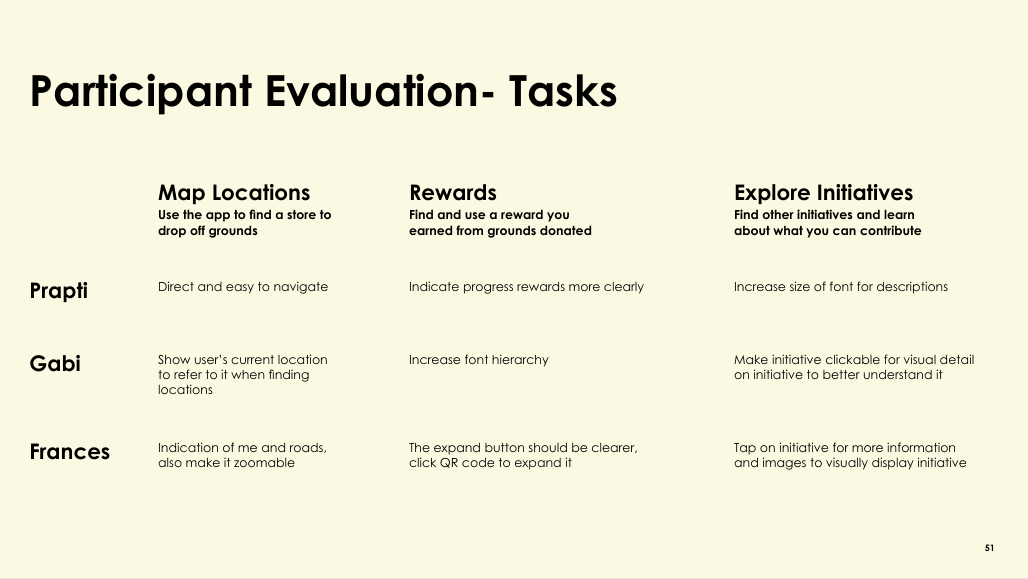
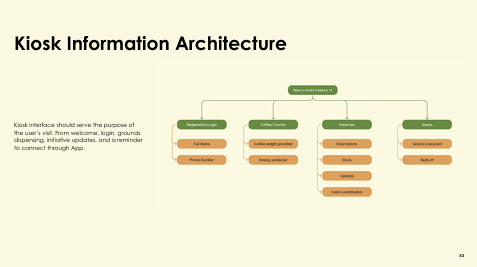
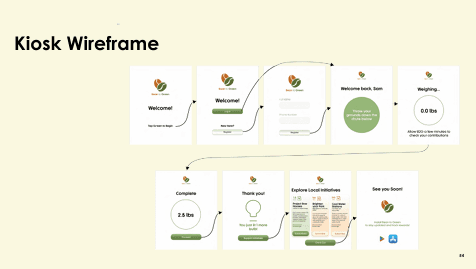
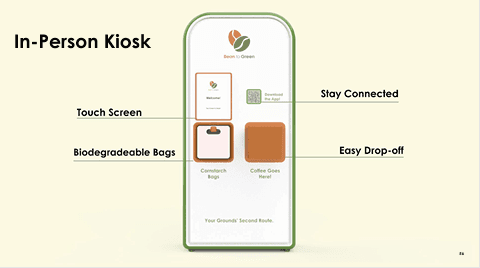
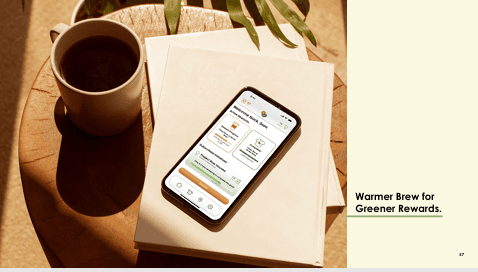
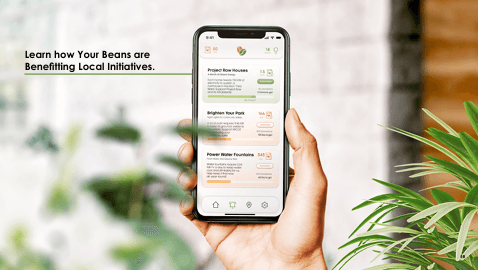
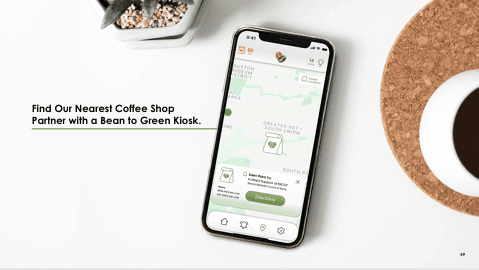
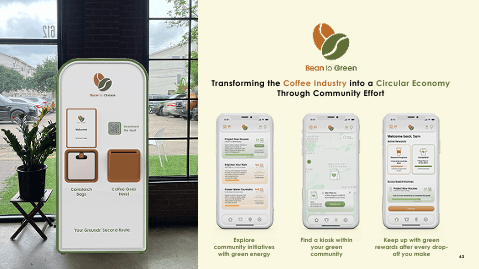
With the goal of simplified user interaction, Bean to Green’s app interface showcases the essential aspects of understanding its mission to users, as well as keeping them connected to their impact on local initiatives and access to their local coffee shop’s latest rewards
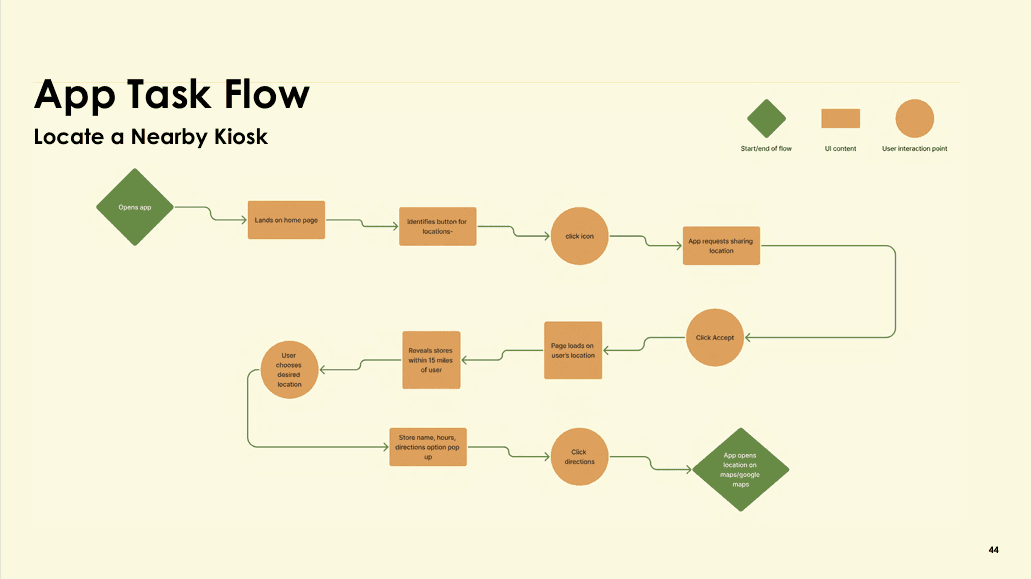
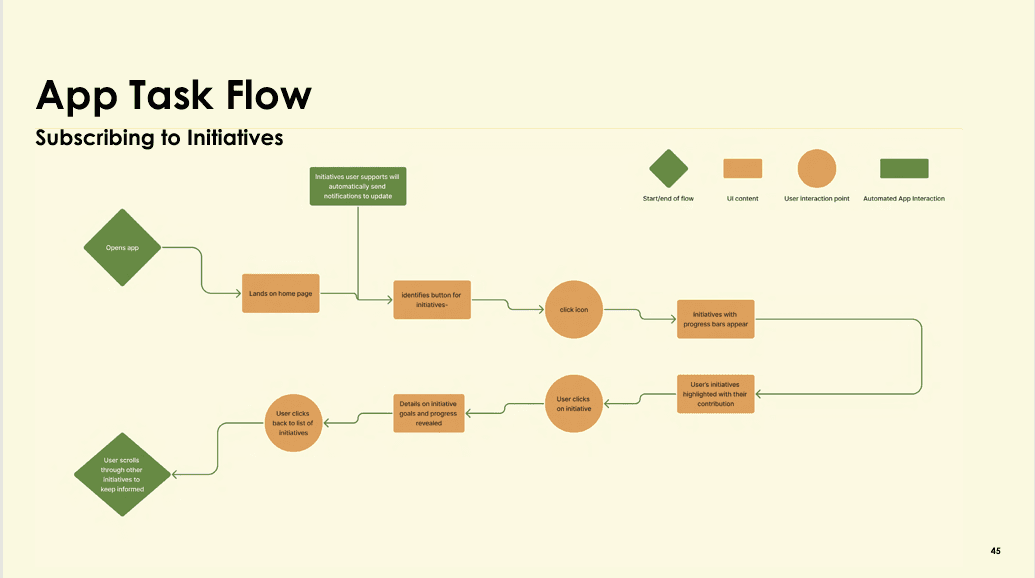
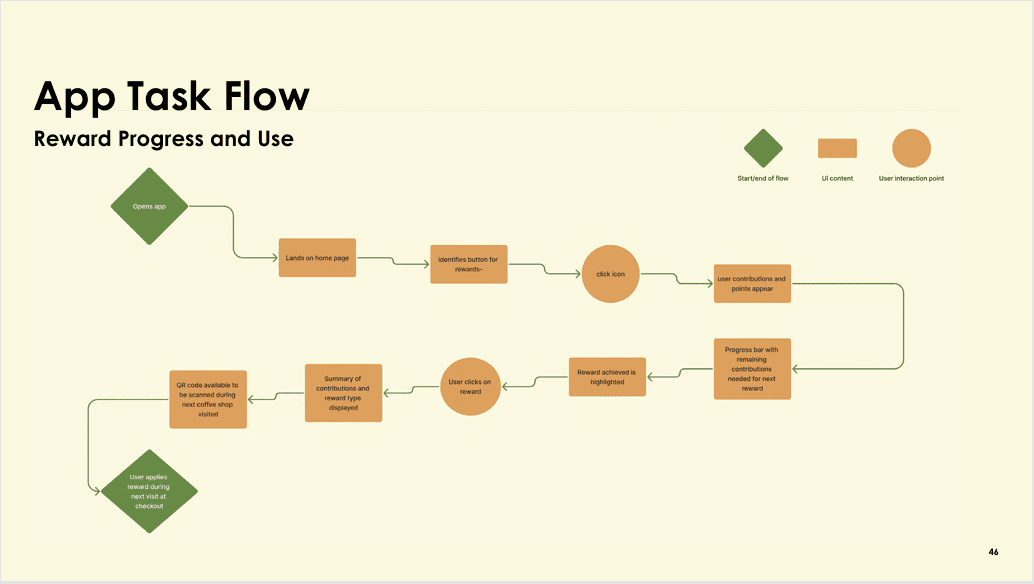
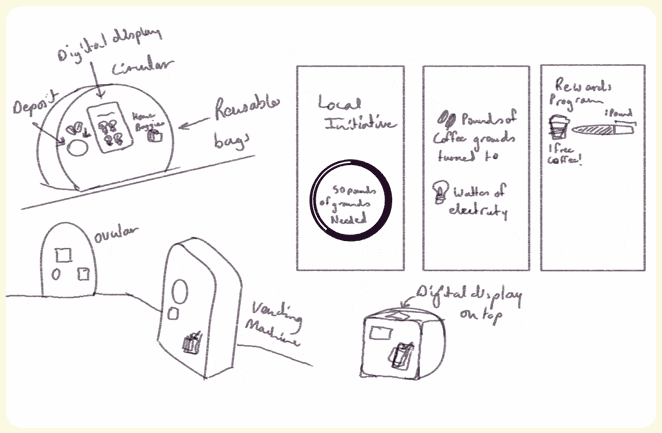
Coffee shops discard tons of grounds daily, and most sustainability efforts rely on individual action. Bean to Green flips the script—rewarding users, supporting businesses, and turning waste into clean energy. It transforms everyday habits into a circular system that benefits people and the planet.
Promotional Material
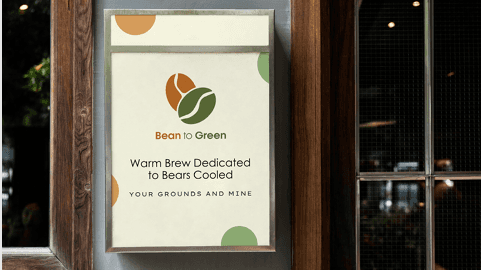
Bean to Green turns coffee waste into clean energy—and community impact. Our visuals, posters, and social content highlight the circular journey from grounds to grid, inviting coffee lovers and shop owners to fuel change, one cup at a time

Building Sustainable Design Education.